2026-10-22 · Tom Brennan
Signs Of Underground Water Line Leaks In Older Princeton Homes
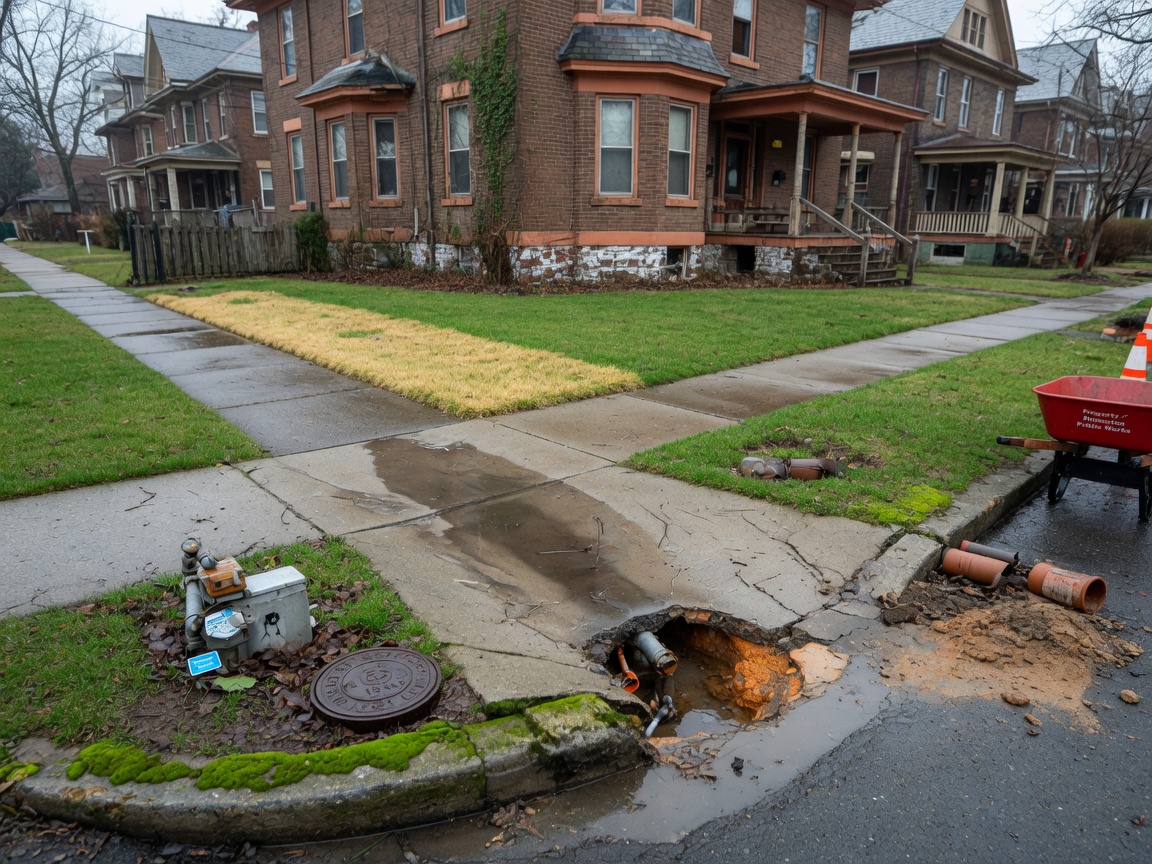
Older Princeton homes frequently develop underground water line leaks due to aging pipes exposed to the region's humid continental climate and shifting soils. Common indicators include sudden spikes in water usage, persistent wet patches in yards, and reduced pressure at fixtures. These signs appear regularly in homes built before 1970 across Princeton Junction and near Princeton University.
Unexplained Increases in Water Bills
Homeowners in Princeton North and Witherspoon-Jackson often notice water bills climbing without added usage. A leak as small as a pinprick can waste hundreds of gallons monthly in older service lines. Mercer County soil movement from freeze-thaw cycles stresses copper and galvanized pipes common in pre-1960 homes. Checking bills against the prior year's same-month usage reveals patterns tied to cold winters. When usage jumps 20-30% without explanation, it points to an underground issue rather than fixture problems. Local terrain near Carnegie Lake adds moisture that hides slow leaks until bills reflect the loss.
Wet Spots and Soggy Areas in the Yard
Persistent damp ground without rain signals a break in the line from the meter to the house. In areas like Princeton Junction, clay-heavy soils hold water longer, creating visible puddles near foundations. Older homes near the Institute for Advanced Study sit on terrain where roots from mature trees invade joints. These wet zones appear most after cold snaps when pipes contract. Checking the path from the street to the home during dry periods helps isolate the leak location. Such signs differ from surface drainage because they stay localized and recur in the same spot.
Drop in Water Pressure and Flow
Low pressure at multiple fixtures often traces back to partial blockages or leaks in the main line. Homes in Lawrenceville and Plainsboro share similar pipe ages with Princeton, where mineral buildup combines with leaks to restrict flow. During warm summers, increased outdoor use masks gradual declines until winter demand highlights them. Measuring pressure at an outdoor spigot provides a baseline; readings below 40 psi during normal use suggest an underground problem. This symptom appears alongside the other signs rather than alone in most older Mercer County properties.
Early detection matters because leaks worsen with each freeze cycle in Princeton's climate. Water Line Leak Detection pinpoints the exact spot without full excavation. For context on pricing variables, see What Affects Water Line Repair Costs In Princeton NJ.
Soil Conditions and Local Terrain Effects
Princeton's glacial soils shift with seasonal moisture, stressing joints in older lines more than newer subdivisions. Properties near Princeton Battlefield State Park face additional root pressure from established trees. In contrast, flatter lots in Town & Country experience pooling that accelerates corrosion. These conditions mean leaks often start at connections rather than mid-pipe. Homeowners can inspect for sinkholes or settling along the line path after heavy rains. Understanding these local factors helps prioritize checks in Witherspoon-Jackson versus newer sections of Princeton Ridge.
When to Schedule Professional Inspection
Combining two or more signs warrants a call before winter sets in. Leaks left alone risk frozen lines and larger breaks once temperatures drop. Water Line Leak Repair addresses the source directly in underground sections. Service runs from the address at 39 Airpark Rd cover Princeton and nearby Trenton routes efficiently during standard hours. Documenting observed signs with photos supports faster diagnosis on site.